
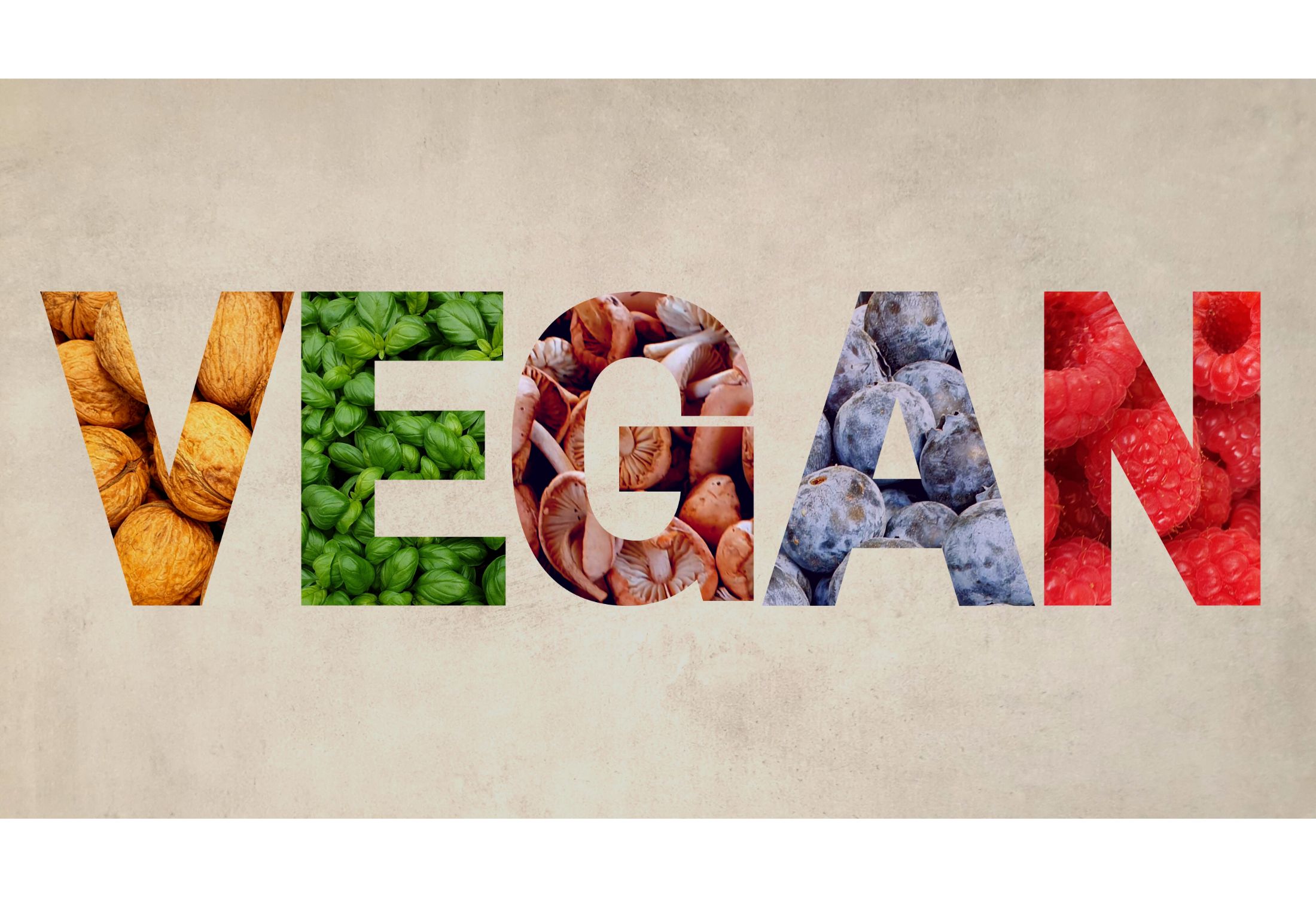
November 1st has been designated as World Vegan Day in order to raise awareness of the contribution of this particular dietary pattern to human health. The vegan diet is a model that includes exclusively plant-based foods, such as fruits and vegetables, grains, legumes and nuts. Any source of animal origin, even dairy products or eggs derived from them, are excluded from the diet of those who follow this model. The right combination of foods makes the vegan diet balanced, providing the body with all the nutrients necessary to maintain health. Otherwise, there is a possibility of deficiency or lack of essential trace elements such as iron, calcium and zinc as well as essential vitamins such as vitamin B12 and vitamin D. There are several reasons why some people choose to follow a vegan diet, the main ones being the health benefits, the protection of animals and the environment.
Vegan diet & Health
Considering that foods with a high saturated fat content have been excluded from the vegan diet and only foods rich in fiber, folic acid (B9), vitamin C and E, potassium and magnesium are available, the health benefits are many and significant.
Results of studies conducted over the years demonstrate that people who follow a balanced vegetarian diet tend to have:
- lower body mass index (BMI), contributing to better body weight regulation
- lower blood pressure and better lipid profile, reducing the risk of developing cardiovascular diseases
- better glycemic profile and reduced insulin resistance, contributing to the prevention of Diabetes Mellitus
- healthier gut microbiota, reducing the risk of developing certain types of cancer, most notably colon cancer.
The implementation of this specific dietary pattern does not only concern the prevention but also the treatment of chronic diseases. Studies conducted on people with metabolic syndrome, i.e. people with obesity, insulin resistance, hypertension and dyslipidemia, confirm that the implementation of a vegetarian diet increases insulin sensitivity, reduces total blood cholesterol and helps with weight loss.
It is important to mention that this particular dietary pattern is not superior to the others in terms of weight loss, since only achieving a negative energy balance is important for weight loss. What makes a vegetarian diet beneficial for health is the quality of the foods it includes, through which health indicators and the quality of life of individuals are ultimately improved.
Balanced Vegan Diet
For a vegetarian diet to be considered a balanced dietary pattern, it must provide all the necessary nutrients, with an emphasis on those contained in animal-based foods. The appropriate design of the plate, the choice of plant-based alternatives to animal-based foods, and the right combination of these can ensure this adequacy.
1. The plate method
People who choose to exclude animal-based sources from their diet must structure their plate in such a way as to ensure adequacy. Most people face difficulties in this area, which increases the likelihood of deficiency in certain micronutrients.
Adapting the method to the data of the vegan diet, the plate should include:
- Fruits and vegetables, which should constitute ½ of the plate.
- Plant-based protein, which should constitute ¼ of the plate. The main sources of plant-based protein are soy and its products, legumes and quinoa.
- Complex carbohydrates, which should constitute the remaining ¼ of the plate. The main source of complex carbohydrates is whole grain products.
2.Nutrients of increased interest
- Vitamin B12: Many studies show that vitamin B12 deficiency is very common in people who follow a vegetarian diet. In order to reduce this risk, it is recommended to consume plant sources of B12 such as nutritional yeast, spinach, tofu, tempeh, fortified foods and alternatively take supplements. Foods fortified with vitamin B12 are cereals and plant-based milks. Carefully reading the labels of specific food groups and consuming at least 2 to 3 servings per day can ensure sufficiency of this specific nutrient. In addition, regular monitoring of plasma vitamin B12 levels through blood tests is recommended, in order to detect any possible changes in a timely manner.
- Vitamin D and Calcium (Ca): Increased risk of vitamin D deficiency due to reduced dietary intake and reduced sun exposure. Vegetarians are advised to expose themselves to the sun, consume fortified foods such as cereals and plant-based milks, or take a supplement. Regarding calcium, alternative sources include soy and its products, green leafy vegetables, nuts and their spreads, and dried fruits.
- Iron (Fe): Iron has two forms, heme iron which is readily absorbable and predominates in foods of animal origin, and non-heme iron which is more difficult to absorb and predominates in foods of plant origin. For this reason, there is an increased risk of iron deficiency and iron deficiency anemia in people who exclude animal food groups. Good sources of non-heme iron are legumes such as lentils and green leafy vegetables such as spinach. Combining them with foods rich in vitamin C (peppers, orange, lemon, carrot) enhances iron absorption. On the contrary, combining them with foods rich in calcium such as dairy products, or with tannins such as tea, inhibits its absorption. To ensure both the absorption of iron and calcium, they must be consumed in separate meals with a difference of at least 3 hours.
- Zinc (Zn): The bioavailability of zinc is lower in a vegan diet due to its high content of phytic acid, a strong inhibitor of zinc absorption. Increased intake of whole grains, legumes, soy products combined with soaking these plant foods to remove phytic acid will help maximize its absorption. In addition, combining the meal with a protein source such as mushrooms will also contribute to the absorption of zinc.
- Ω3 fatty acids: Studies support that although Ω3 fatty acids derived from plant sources do not have the same benefits in cardiovascular function, they are essential for a balanced diet. Plant sources rich in these fatty acids are all oils, ground flaxseed, chia seeds, walnuts, soybeans and their products, and hemp seeds.
Conclusion
In conclusion, with proper planning, a vegan diet can be a model with multiple benefits for health and the environment. However, like any dietary model that excludes food groups, a vegetarian diet can lead to significant nutritional deficiencies if the appropriate knowledge is not available and the necessary attention is not given to diet planning. A balanced and at the same time healthy vegan diet program can be created more successfully with the contribution of a nutritionist.
